So the last of the tomatoes have been taken off and the bed has been upgraded with lots of compost. I also harvested most of the basil, but found that the rain had brought in a pest who had munched on a lot of it, and made a home in one of the leaves!
But there was still quite a bit to cut up and freeze in ice cube trays. You can do the same with parsley and other herbs, I pack them into zip lock bags once they are frozen - great for soups and stews.
Monday, April 7, 2014
Thursday, March 27, 2014
A little comfrey goes a long way
So I am about to embark on attempting to grow comfrey. Why? you may ask! Well comfrey is a fantastic plant that takes the nutrients out of the soil and into its leaves so you can use them for fertilizer or mulch, or just to make much better compost. It is deep rooted and in permaculture terms known as a dynamic accumulator as it mines nutrients from deep in the ground and draws them up to the surface.
Saturday, January 18, 2014
Salad for lunch
This is what I love about my garden, In 5 minutes I picked these peas, rocket, lettuce, mint and basil for my salad at lunch time. Add one of the tomatoes ripening on the window sill and I'm in heaven. The taste of the peas is wonderful, and we should have planted more of them - next year I will.
Now, my free lettuce is growing quite well. All you do is CUT the lettuce once it is ready, after that you will continue to get leaves you can pick.
And the free tomatoes are looking OK, but no actual tomatoes yet. I am not staking these, to see how they go over the side of the bed. You must experiment if you are a gardener.
Now, my free lettuce is growing quite well. All you do is CUT the lettuce once it is ready, after that you will continue to get leaves you can pick.
And the free tomatoes are looking OK, but no actual tomatoes yet. I am not staking these, to see how they go over the side of the bed. You must experiment if you are a gardener.
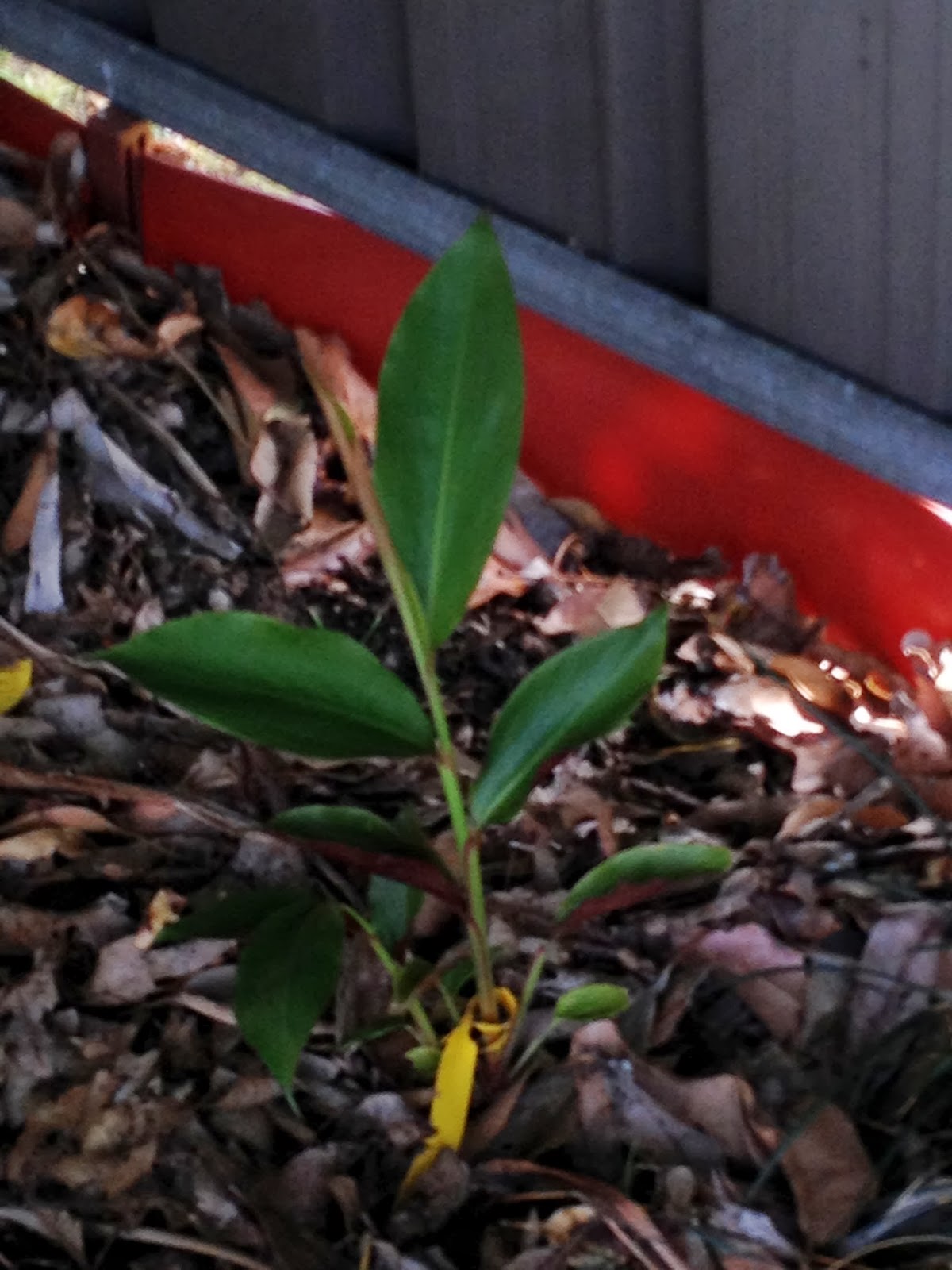
My latest plant is a native ginger, which seems to be settling in very well. I will be interested in what the berries taste like.
But my very favourite plant in the garden is the Frangipani. The fragrance is divine.
............................................................
Saturday, January 4, 2014
Free plants
I'm for free plants!
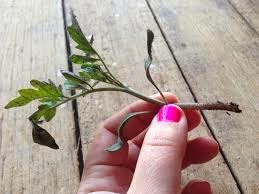
A great trick I learned about tomatoes, is that the laterals - they are the ones that grow in the middle of the good branch and the stalk - are great new plants. All you do is let them grow a bit - about 4 inches seems to do the trick, and then take them out and plant them. Free tomatoes!
Tuesday, December 10, 2013
Florish or your out!
That's my motto with my plants. Either they live productive lives or they come out for something that does.
We will soon have a great harvest of mini cos lettuce, and the tomatoes are coming along well EXCEPT for the cherry tomatoe. Funny, I have had problems with these before.... Oh well, time for some maintenance.
The tomatoe bed
Monday, November 25, 2013
Wind and rain and harvest
We have the first harvest today, cherry tomatoes and rocket straight from the garden.
We have had another storm, with high winds and rain overnight, and this brought one of the tomatoes down. Fortunately it was not actually broken at the stem, just bent. So I tied it up again. This brings me to the types of ties to use. Old stockings are perfect as they are strong but flexible, I have some strong wire coated in plastic that I use, and it works well. Some people use string, not as good as it can rub the stems. Whatever you do use, tie up tomatoes about every 4 inches to keep them going.
The rocket is quite small yet, but tastes really good. It has a mild peppery taste, and is perfect for rolling up with some chicken in a wrap. I have a couple of rules for what I grow:
1. Something we like to eat,
2. That is expensive to buy,
3. Things I use often but little at a time (like mint or radish), so waste a lot.
4. Easy to grow in our area.
Here is a great article that might help with planning a garden : http://thenaturallivingsite.com/blog/2011/03/how-to-plan-your-garden-food-production-for-self-sufficiency/
I decided to make a chicken curry tonight, and had to buy some chilli (mine is not ready yet) and some lemongrass. The lemongrass was quite expensive, so this makes it a perfect thing to grow in the garden. Just purchase a lemongrass stalk from the supermarket with a bit of roots at the end of it. Place in water to get the roots going, then replant in a pot or in the ground. Pots are better I think, as lemongrass can really get out of hand and is quite spikey.
We have had another storm, with high winds and rain overnight, and this brought one of the tomatoes down. Fortunately it was not actually broken at the stem, just bent. So I tied it up again. This brings me to the types of ties to use. Old stockings are perfect as they are strong but flexible, I have some strong wire coated in plastic that I use, and it works well. Some people use string, not as good as it can rub the stems. Whatever you do use, tie up tomatoes about every 4 inches to keep them going.
The rocket is quite small yet, but tastes really good. It has a mild peppery taste, and is perfect for rolling up with some chicken in a wrap. I have a couple of rules for what I grow:
1. Something we like to eat,
2. That is expensive to buy,
3. Things I use often but little at a time (like mint or radish), so waste a lot.
4. Easy to grow in our area.
Here is a great article that might help with planning a garden : http://thenaturallivingsite.com/blog/2011/03/how-to-plan-your-garden-food-production-for-self-sufficiency/
I decided to make a chicken curry tonight, and had to buy some chilli (mine is not ready yet) and some lemongrass. The lemongrass was quite expensive, so this makes it a perfect thing to grow in the garden. Just purchase a lemongrass stalk from the supermarket with a bit of roots at the end of it. Place in water to get the roots going, then replant in a pot or in the ground. Pots are better I think, as lemongrass can really get out of hand and is quite spikey.
Saturday, November 23, 2013
Oh dear, the peas have suddenly stopped.
I don't think it is going to be a great year for peas. A friend of mine saw ours and was amazed (note: this was a week ago) as his had started and suddenly stopped after an inch or two. Well, since then we have had a lot of rain, and I suspect our peas don't like wet feet, because ours have stopped growing, and are starting to yellow. After such a promising start too.
So I have taken the mulch from around the roots, this may help - stay tuned for an update.
UPDATE: removing the mulch seems to have worked and we have peas!
So I have taken the mulch from around the roots, this may help - stay tuned for an update.
UPDATE: removing the mulch seems to have worked and we have peas!
Wednesday, November 13, 2013
Mulch, and more mulch.
So, the seeds are up and now it is time to mulch - but which one?
Bark - not so good for vegies as it takes up nitrogen from the soil. Better for other parts of the garden where you do not want to replace mulch too often.
Leaves - Saves money, but you need a lot of them.
Grass - grass clippings break down fast but add nitrogen to the soil as they do. It's best to use grass clippings in thin layers or to let the grass dry before spreading it as a mulch otherwise it starts to stink
Bark - not so good for vegies as it takes up nitrogen from the soil. Better for other parts of the garden where you do not want to replace mulch too often.
Leaves - Saves money, but you need a lot of them.
Grass - grass clippings break down fast but add nitrogen to the soil as they do. It's best to use grass clippings in thin layers or to let the grass dry before spreading it as a mulch otherwise it starts to stink
Saturday, October 26, 2013
Bill was right - especially about the crocodiles
This is what Bill Bryson said about Australia:
Not as tough as my place!
Our garden contains, and has contained over the years a variety of critters such as (Note, this is just a small selection):
Tuesday, October 22, 2013
Eggshell recycling 101
Eggshells are great for deterring snails and slugs, as they do not like the sharp endy bits. Once you have broken and used the eggs, just put the eggshells into the microwave for about 30 seconds to harden them up, then break them up and store in a jar for use on the garden.
Eggshells are a great source of calcium, so put them into the worm farm or compost (don't nuke them for this!). This is very beneficial to tomatoes, peppers, and eggplant. These crops are susceptible to blossom end rot, which is caused by calcium deficiency. While this deficiency is most often caused by improper watering, there’s no harm in making sure your plants have a steady source of calcium. As the eggshells break down, they’ll nourish the soil, and your plants. Don't be concerned that there are bits of eggshell in the worm castings, just make sure you have crushed them well before putting them in. I go on, and then off, putting eggshells in with the worms as I don't want them to dominate the castings. If you are using them as direct fertiliser, then crush the shells really well until they are powder as I have for the tomatoes below. (sorry about the glare in the corner).
Oh dear, I nearly killed the lettuce!
Lesson learned! DO NOT FORGET TO WATER LETTUCE AFTER FERTILIZING.
It was raining a bit yesterday, so I put some liquid fertilizer on the lettuce thinking the bit of rain would do the rest - Today they are burned at the edges. Well, that is the last time I do that.
Eggshells are a great source of calcium, so put them into the worm farm or compost (don't nuke them for this!). This is very beneficial to tomatoes, peppers, and eggplant. These crops are susceptible to blossom end rot, which is caused by calcium deficiency. While this deficiency is most often caused by improper watering, there’s no harm in making sure your plants have a steady source of calcium. As the eggshells break down, they’ll nourish the soil, and your plants. Don't be concerned that there are bits of eggshell in the worm castings, just make sure you have crushed them well before putting them in. I go on, and then off, putting eggshells in with the worms as I don't want them to dominate the castings. If you are using them as direct fertiliser, then crush the shells really well until they are powder as I have for the tomatoes below. (sorry about the glare in the corner).
Oh dear, I nearly killed the lettuce!
Lesson learned! DO NOT FORGET TO WATER LETTUCE AFTER FERTILIZING.
It was raining a bit yesterday, so I put some liquid fertilizer on the lettuce thinking the bit of rain would do the rest - Today they are burned at the edges. Well, that is the last time I do that.
Failure is good.
It's fertilizer.
It's fertilizer.
Everything I've learned about coaching,
I've learned from making mistakes.
........Rick Pitino
I've learned from making mistakes.
........Rick Pitino
~
Subscribe to:
Posts (Atom)